Context
An enterprise localization platform used by Uber, TripAdvisor, and Zendesk was undergoing a platform-wide pricing restructuring - migrating from fixed feature limits to a credit-based model, the architecture increasingly adopted across AI-era platforms.
Problem
The core risk was trust: customers spending hundreds of thousands needed to understand the new model clearly, or churn at renewal.
Design response
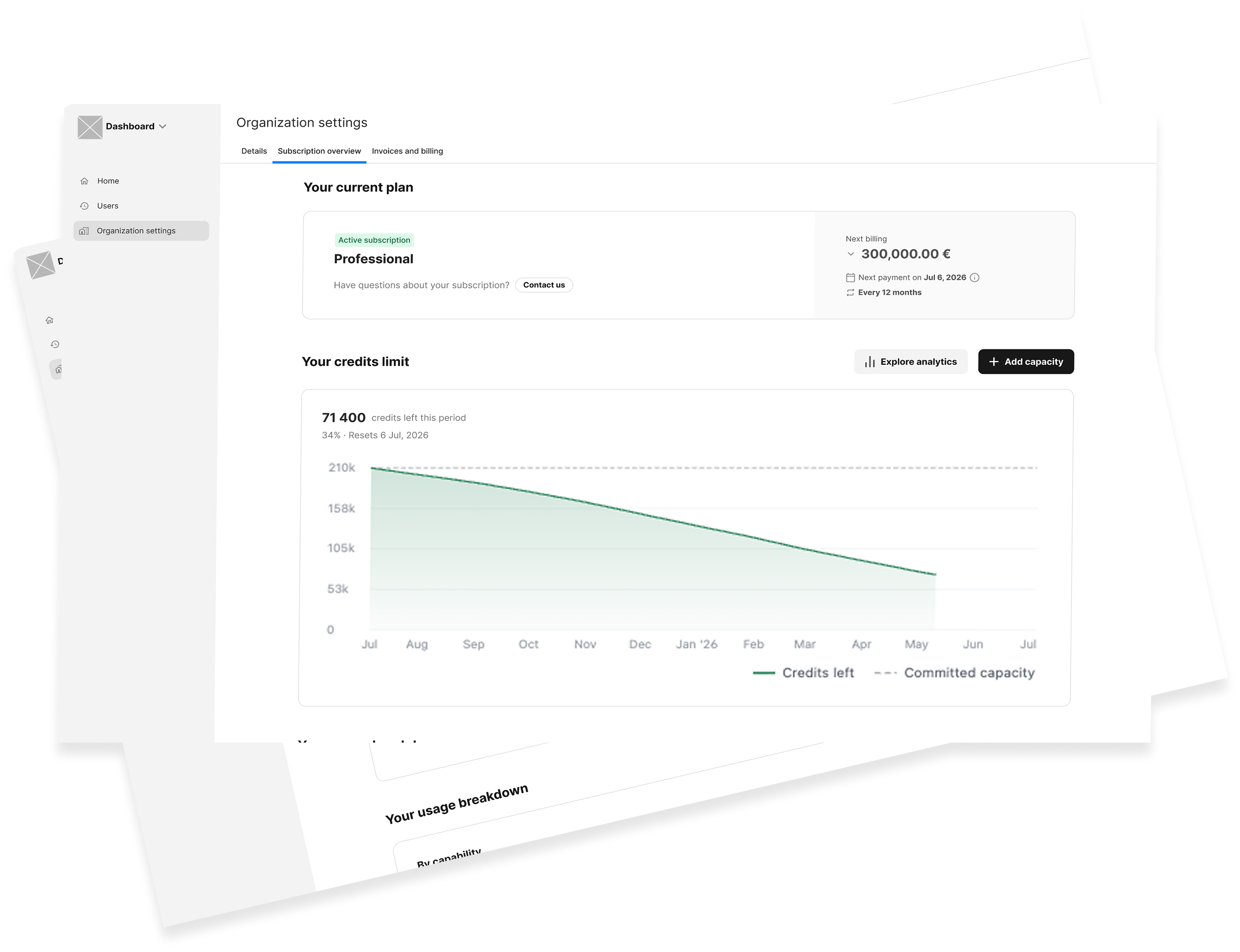
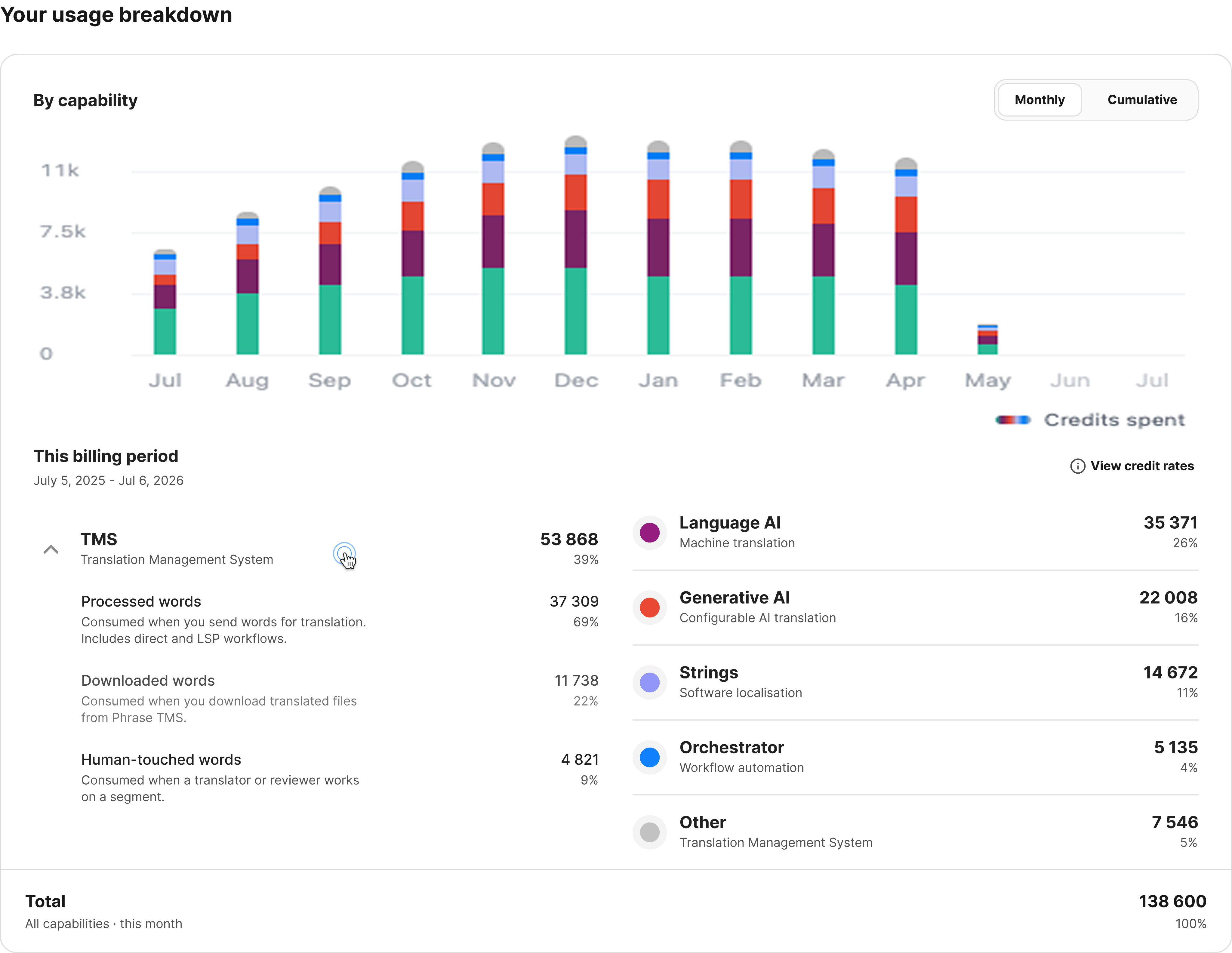
The design response was built around transparency - I structured the experience around three user jobs: understanding the new pricing, tracking spend and remaining credits, and optimising consumption.
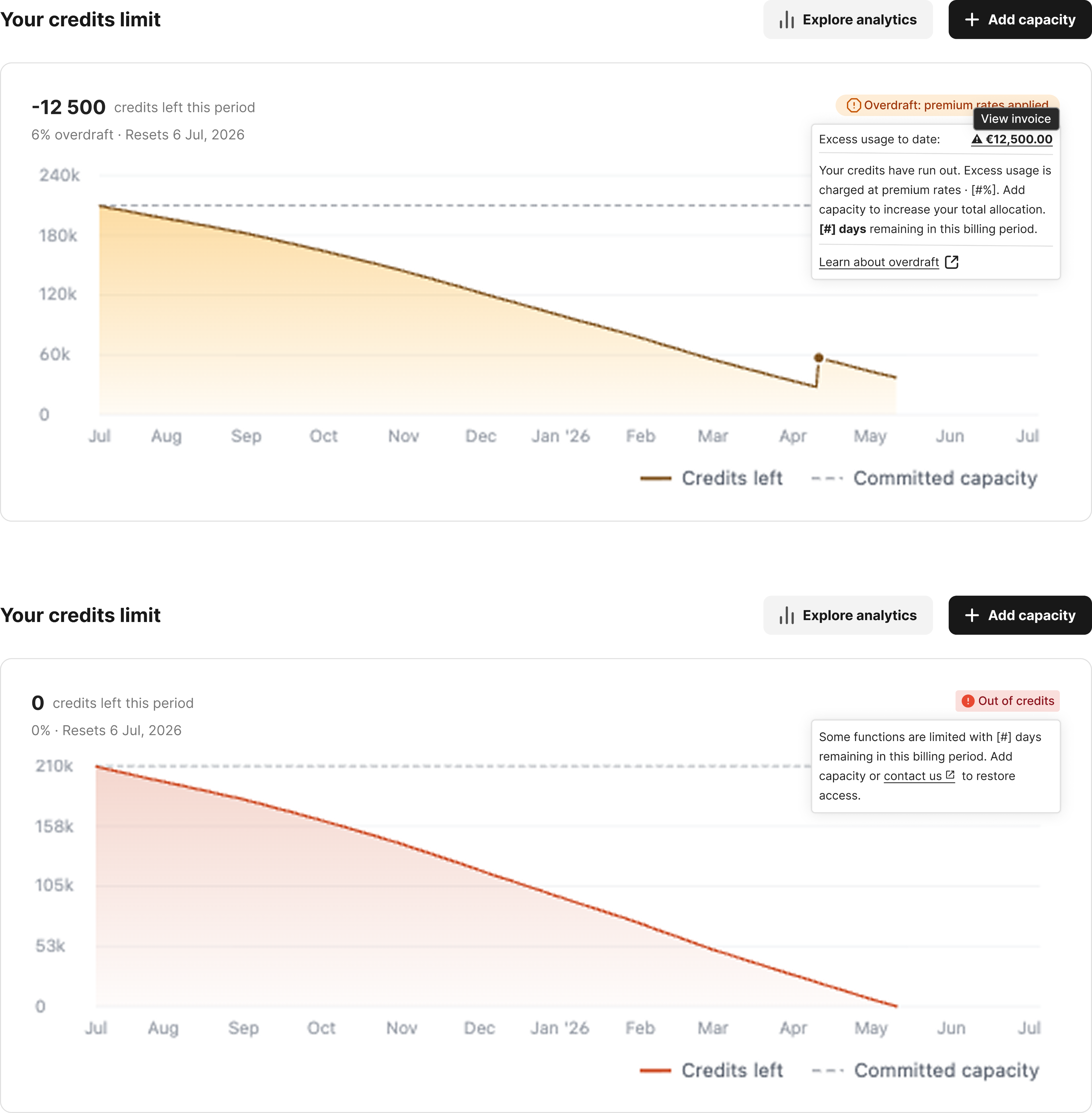
Drawing on research showing user anxiety around late-stage credit depletion, I also advocated for proactive spend signals - a forecasting feature and early depletion alerts - to protect renewal and signal that the platform works for the customer, not against them, building the kind of trust that drives renewal and account expansion.
Process
I leveraged AI-assisted prototyping to reach high-fidelity concepts earlier than the process normally allows - compressing timelines, expanding the solution space, and accelerating alignment by giving stakeholders something tangible to react to from the start.
My role
Design Discovery
Product Design
Key stakeholders
Chief Finance Officer
Product Manager
Content Designer
Year
2026
Working with her as a PM at Phrase, I saw firsthand her ability to tackle complex UX challenges, like revamping our product pricing model. Wiktoria delivered well-thought-through designs rooted deeply in user JTBD. She is a fierce customer advocate who routinely pushed for user testing, challenged standard assumptions, and brought incredible energy and empathy to the team.

Product Manager
$100M+ B2B SaaS
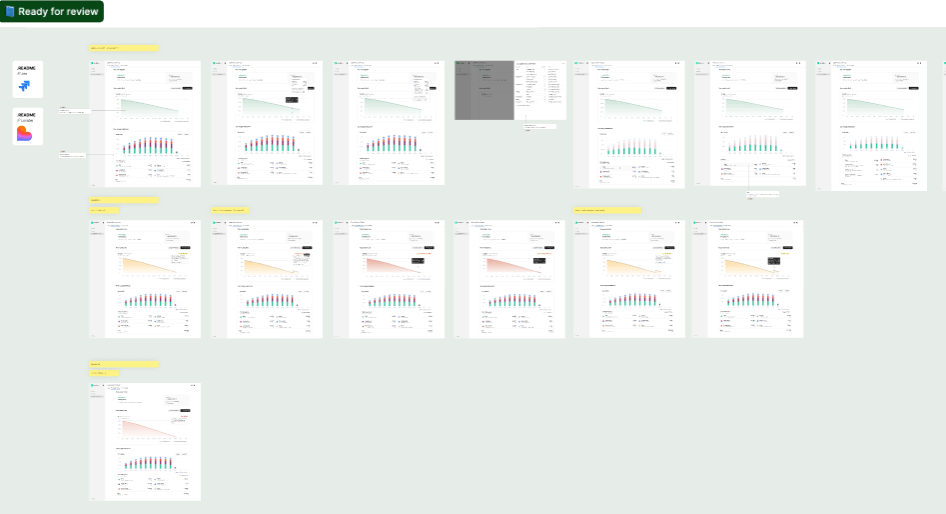
Figma file prepared for the review
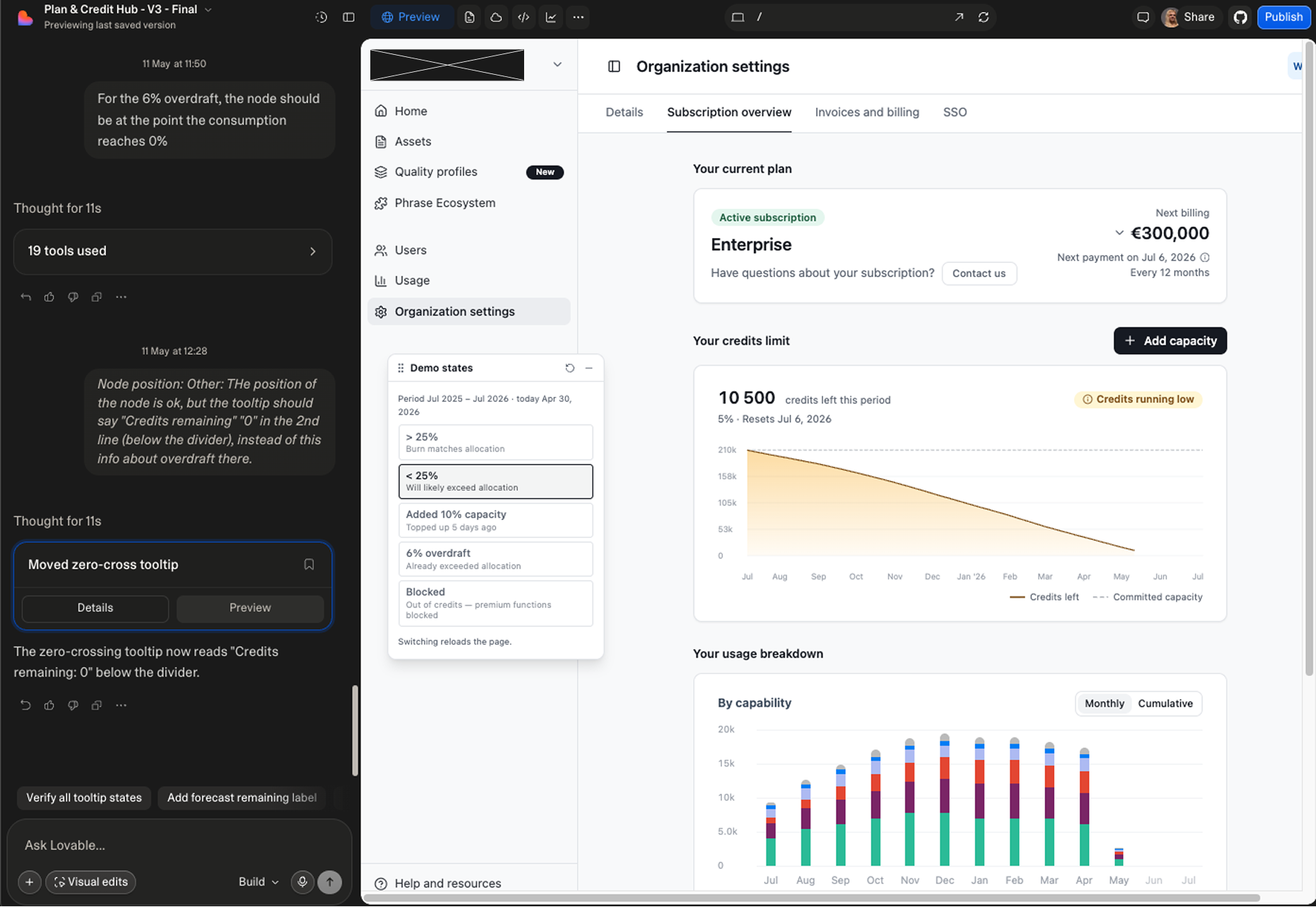
Interactive Lovable prototype
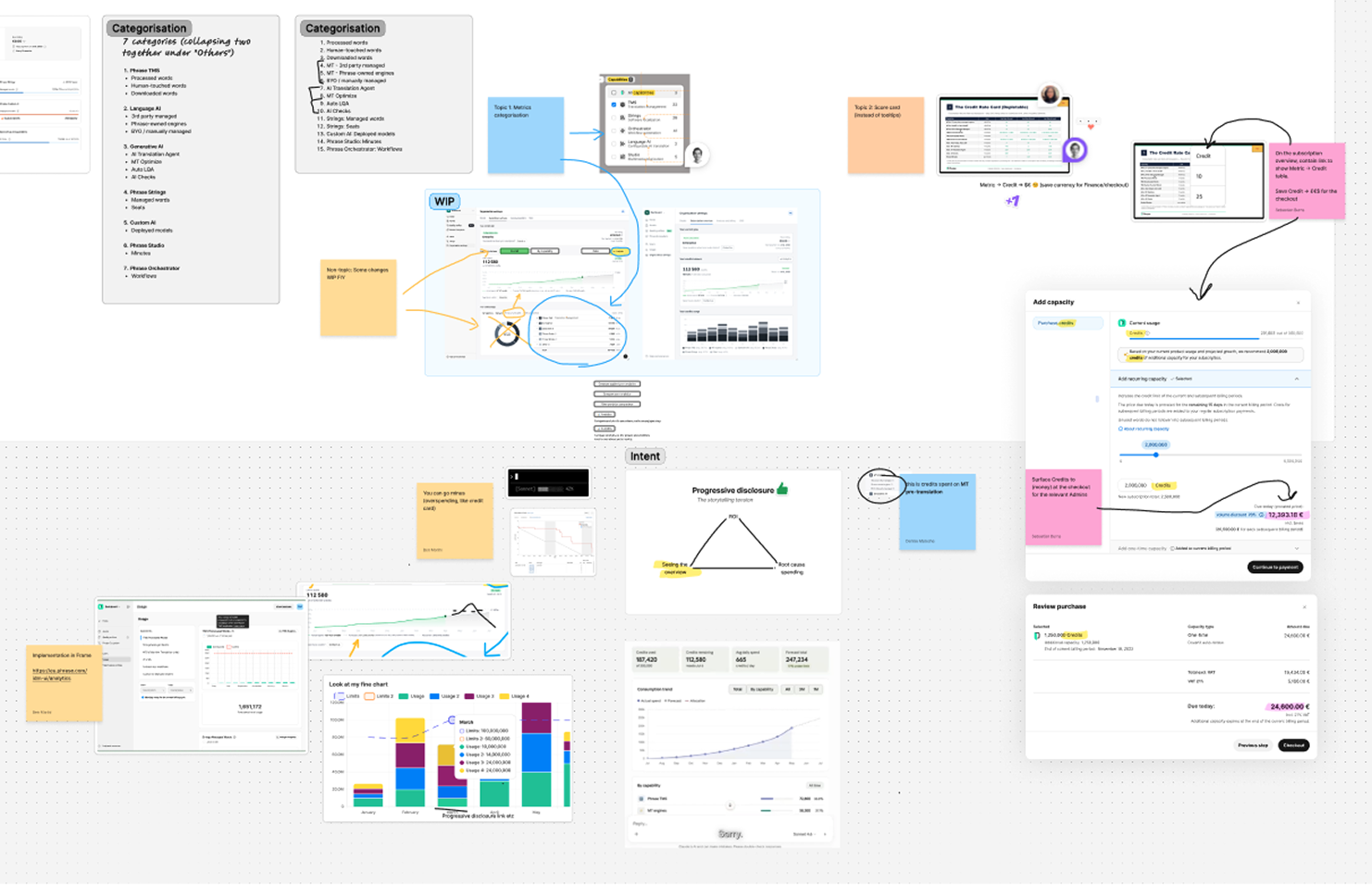
Figjam documenting a Design Crit
Context
An enterprise localization platform used by Uber, TripAdvisor, and Zendesk was undergoing a platform-wide pricing restructuring - migrating from fixed feature limits to a credit-based model, the architecture increasingly adopted across AI-era platforms.
Problem
The core risk was trust: customers spending hundreds of thousands needed to understand the new model clearly, or churn at renewal.
Design response
The design response was built around transparency - I structured the experience around three user jobs: understanding the new pricing, tracking spend and remaining credits, and optimising consumption.
Drawing on research showing user anxiety around late-stage credit depletion, I also advocated for proactive spend signals - a forecasting feature and early depletion alerts - to protect renewal and signal that the platform works for the customer, not against them, building the kind of trust that drives renewal and account expansion.
Process
I leveraged AI-assisted prototyping to reach high-fidelity concepts earlier than the process normally allows - compressing timelines, expanding the solution space, and accelerating alignment by giving stakeholders something tangible to react to from the start.
My role
Design Discovery
Product Design
Key stakeholders
Chief Finance Officer
Product Manager
Content Designer
Year
2026
Working with her as a PM at Phrase, I saw firsthand her ability to tackle complex UX challenges, like revamping our product pricing model. Wiktoria delivered well-thought-through designs rooted deeply in user JTBD. She is a fierce customer advocate who routinely pushed for user testing, challenged standard assumptions, and brought incredible energy and empathy to the team.
Product Manager
$100M+ B2B SaaS
Figma file prepared for the review
Interactive Lovable prototype as live doc
Figjam documenting a Design Crit session
Context
An enterprise localization platform used by Uber, TripAdvisor, and Zendesk was undergoing a platform-wide pricing restructuring - migrating from fixed feature limits to a credit-based model, the architecture increasingly adopted across AI-era platforms.
Problem
The core risk was trust: customers spending hundreds of thousands needed to understand the new model clearly, or churn at renewal.
Design response
The design response was built around transparency - I structured the experience around three user jobs: understanding the new pricing, tracking spend and remaining credits, and optimising consumption.
Drawing on research showing user anxiety around late-stage credit depletion, I also advocated for proactive spend signals - a forecasting feature and early depletion alerts - to protect renewal and signal that the platform works for the customer, not against them, building the kind of trust that drives renewal and account expansion.
Process
I leveraged AI-assisted prototyping to reach high-fidelity concepts earlier than the process normally allows - compressing timelines, expanding the solution space, and accelerating alignment by giving stakeholders something tangible to react to from the start.
My role
Design Discovery
Product Design
Key stakeholders
Chief Finance Officer
Product Manager
Content Designer
Year
2026
Figma file prepared for the review
Working with her as a PM at Phrase, I saw firsthand her ability to tackle complex UX challenges, like revamping our product pricing model. Wiktoria delivered well-thought-through designs rooted deeply in user JTBD. She is a fierce customer advocate who routinely pushed for user testing, challenged standard assumptions, and brought incredible energy and empathy to the team.
Product Manager
$100M+ B2B SaaS
Interactive Lovable prototype acting as a live doc
Figjam documenting a Design Crit session